– The Washington Times
Local water officials say it will take at least another month before they can begin repairing the aging pipe from which millions of gallons of waste have flowed into the Potomac River, in one of the largest sewage spills in U.S. history.
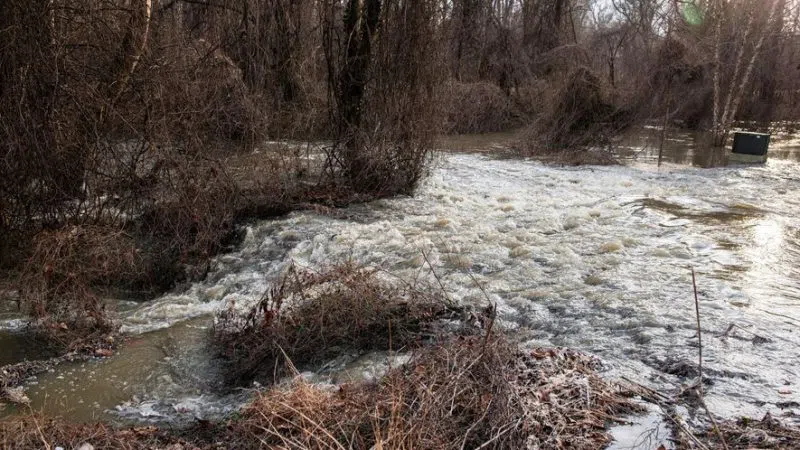
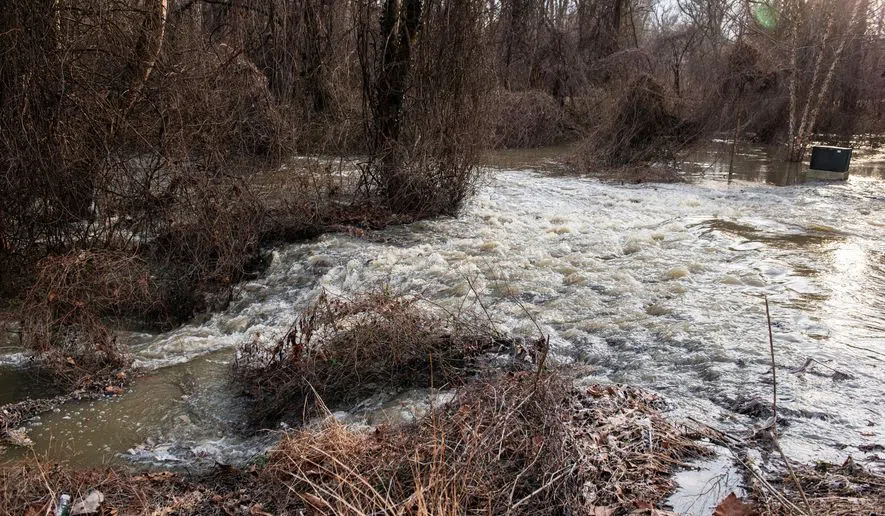
The Jan. 19 rupture of the Potomac Interceptor continues to dump untreated sewage into the river.
President Trump is sniping at the Washington area’s leaders, all Democrats, for letting the problem fester.
Authorities said it will take four to six weeks for DC Water to clear a “rock dam” that formed when a small boulder fell into the broken sewer line.
After that, it could take up to 10 months to fully replace the 60-year-old pipe.
“That puts us going all summer, the big recreational season for the river, with a little bit of uncertainty about whether there could be additional sewage discharges,” said Betsy Nicholas, president of the nonprofit group Potomac Riverkeeper Network.
Officials in the District and Maryland advised residents to avoid contact with the Potomac after bacteria were detected in the water during the 250-million-gallon deluge.
Volatile levels of E. coli have been documented by the utility agency DC Water, especially near the rupture site at Glen Echo in Montgomery County, Maryland.
Additionally, researchers at the University of Maryland detected Staphylococcus aureus, the bacteria that cause staph infections, and an antibiotic-resistant strain of MRSA near the broken pipe.
DC Water was able to construct a bypass around the fractured sewer line on Jan. 24, five days after the rupture, but sporadic overflows have since poured more human waste into the river.
Ms. Nicholas said the region’s freezing temperatures earlier this month meant the waste bonded to river ice, which is now melting.
The raw fecal matter also likely hardened during the deep freeze and sank to the bottom of the riverbed, she said, which presents a long-term challenge for aquatic life.
Hedrick Belin, president of the nonprofit Potomac Conservancy, called the site an “open sewer” that will be difficult to clean up.
Outside the water itself, he said, the fecal matter probably contaminated the soil around the river and could seep into the Potomac.
He suggested that restoration efforts for the river may not begin in earnest until next year.
“So many of the improvements to the Potomac River over the years have been because we’ve found ways to keep sewage and industrial waste out of the water, so it’s important to fix this as soon as possible,” he said.
The D.C. Department of Energy and Environment said that although E. coli levels downstream of the spill are within a safe range for recreational use, the city is urging residents to avoid touching or fishing in the river.
The agency said it wants to seek “multiple consistent test results showing safe levels” before it offers the public any new water guidance. The agency said drinking water, sourced from upriver, is not affected by the spill.
The conservation leaders are watching the issue become a new arena for political fisticuffs.
Mr. Trump’s social media tirade Tuesday laid the blame solely on elected leaders in the District, Maryland and Virginia. He absolved the federal government of any responsibility for the waterway’s management and said the federal government is ready to help with the cleanup as long as the region’s leaders ask “politely.”
“These Democrat-caused disasters, both river and [government] shutdown, will only get worse,” Mr. Trump wrote Tuesday on Truth Social, referencing a partial government shutdown of the Department of Homeland Security.
“The two governors and the mayor of D.C. must act immediately. This is a Radical Left caused Environmental Hazard,” he said.
His comments appeared to be a direct counter to a statement from the office of Maryland Gov. Wes Moore, a Democrat.
After Mr. Trump singled out the governor over the sewage spill, a spokesperson for Mr. Moore shot back that the federal government was abdicating its duties.
“Since the last century, the federal government has been responsible for the Potomac Interceptor, which is the origin of the sewage leak. For the last four weeks, the Trump administration has failed to act, shirking its responsibility and putting people’s health at risk,” Mr. Moore’s spokesman Ammar Moussa said Monday.
“Notably, the president’s own EPA explicitly refused to participate in the major legislative hearing about the cleanup last Friday. Apparently the Trump administration hadn’t gotten the memo that they’re actually supposed to be in charge here,” he said.
Ms. Nicholas from Potomac Riverkeeper Network said she supports the White House discussion of the broken pipe so the administration can start a national conversation about revamping infrastructure.
She said DC Water has allocated $625 million to upgrade the Potomac Interceptor and other older pipes in the system.
It was unfortunate that this happened because of a “complete and total collapse” of a crucial pipe, she said, but it will get the ball rolling in the right direction.
“There’s a real problem, particularly in older cities, that we have infrastructure that no longer meets the demands of population,” Ms. Nicholas said. “Earlier and more consistent maintenance inspections of our infrastructure systems would make this fully preventable.”
• Matt Delaney can be reached at mdelaney@washingtontimes.com.