– The Washington Times
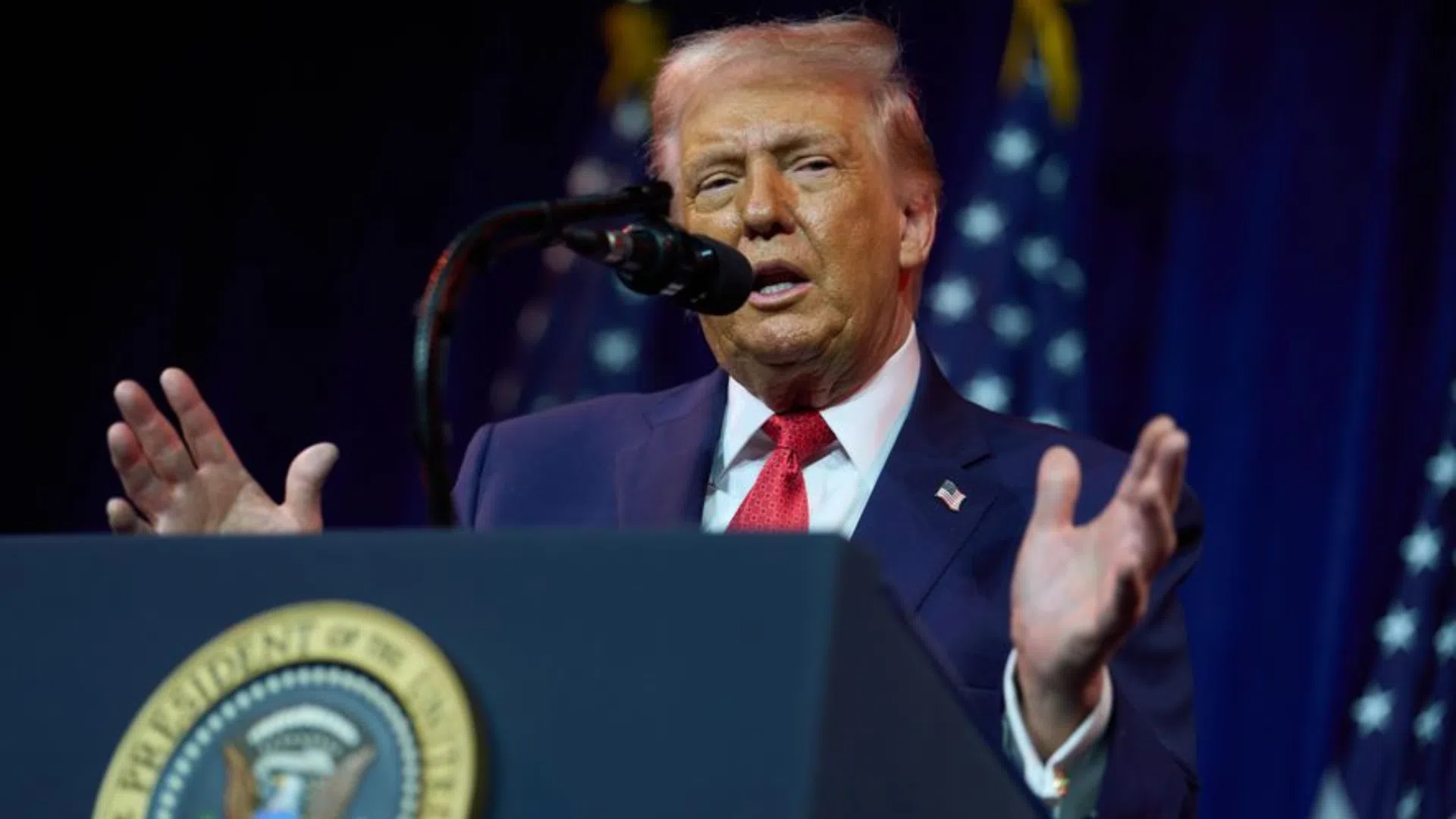
President Trump’s self-branded attempt to cut drug prices, TrumpRx, is set to launch within weeks, offering a novel pathway for consumers to buy medicines directly from manufacturers without involving insurance or middlemen.
TrumpRx.gov will enable consumers to purchase medications for migraines, diabetes and other conditions at discounted prices that Mr. Trump negotiated with major pharmaceutical companies.
The website, featuring a photograph of Mr. Trump at his desk, on its main search function says, “Coming soon, January 2026.”
As it stands, the program involves 14 major drugmakers. The companies agreed to sell their products under most-favored-nation policies that peg prices to lower costs in other nations.
Health experts say many insured Americans will continue to follow traditional paths of purchasing their medications instead of paying drug companies directly.
The Trump administration is touting the system as a game-changer for other Americans who have suffered under a byzantine and pricey health care system.
“President Trump pledged to lower drug costs for everyday Americans, and the administration’s historic TrumpRx website accomplishes just that: Americans will soon be able to purchase the drugs they need directly from pharmaceutical companies at MFN prices,” White House spokesman Kush Desai said. “These savings, which range from 40% to 80% off the current net prices for branded drugs, will yield billions in annual savings for American patients.”
Patients won’t buy medicines directly from the Trump website. They will be directed to the drugmakers’ direct-to-consumer programs to see how much they could save.
The White House enumerated steep discounts. For example:
• The prices of popular weight-loss drugs Ozempic and Wegovy will fall from $1,000 and $1,350 per month, respectively, to $350 when purchased through TrumpRx.
• Merck will reduce the price of its diabetes medication, Januvia, from $330 to $100 for patients buying directly through TrumpRx.
• Amgen will cut the price of its cholesterol drug Repatha from $573 to $239 for TrumpRx customers.
Health experts offer caveats to consider.
The plan is somewhat piecemeal, rather than a holistic solution to high drug prices, and the lack of a connection to insurance could be a hindrance for some. Instead, the target customer for TrumpRx might be someone who does not have health insurance but needs a certain drug at a more affordable price.
“If a drug isn’t covered by your insurance or you know you have a high-deductible plan, and you have to pay $10,000 before your coverage kicks in, you might be better off buying direct to consumer or directly from the manufacturer,” said Juliette Cubanski, deputy director of the program on Medicare policy at KFF, a nonpartisan health policy and research organization. “But I think generally speaking, most people with insurance coverage will continue to be better off using their insurance to obtain medications rather than purchasing through the Trump Rx portal.”
She said it cannot hurt to check and see whether a drug is available through the TrumpRx website.
However, insured patients should be aware that they might be forgoing benefits, such as prices negotiated by insurers or credits toward their deductibles, or the amount they pay before coverage takes effect and covers some of the cost.
“So you just have to kind of understand the caveats associated with purchasing your medications that way,” Ms. Cubanski said.
The participating drugmakers are Amgen, AstraZeneca, Boehringer Ingelheim, Bristol Myers Squibb, Eli Lilly, EMD Serono, Genentech, Gilead, GSK, Merck, Novartis, Novo Nordisk, Pfizer and Sanofi.
Pfizer, the first drugmaker to join the effort last year, said customers could save as much as 85%, or 50% on average.
The company said the “specific terms of the agreement remain confidential.”
Health care experts said the confidential arrangements make it hard to study the policy or draw a direct line between the discounted price and what other countries pay for the same drug.
Drugmakers have received tariff relief or expedited reviews for their products in exchange for their participation, and they hope to generate additional revenue from discount-driven sales.
Direct-to-consumer sales also eliminate pharmacy benefit managers, who manage drug benefits and act as intermediaries between insurers and drug manufacturers.
Critics of pharmacy benefit managers argue that they do not always pass along negotiated savings to patients or insurers, rendering them opaque middlemen who drive up list prices.
“We know that patients who are uninsured or in high-deductible health plans are most likely to benefit from [direct-to-consumer] programs,” said Sarah Ryan, a spokeswoman for the Pharmaceutical Research and Manufacturers of America, a major drugmakers lobby. “There’s growing recognition that PBMs, insurers and other middlemen drive up costs, restrict access and make it harder for patients to access medicines.”
PhRMA said 27.2 million Americans are uninsured and must pay out of pocket for medications. Meanwhile, more than 80 million Americans are enrolled in high-deductible health care plans that generally require them to pay the full list price of the medicine until their insurance coverage takes effect.
“Just because you have insurance coverage doesn’t guarantee you have access to needed medicines,” Ms. Ryan said.
It is unclear whether the Trump-branded program will last beyond the current administration. It was not enacted by Congress.
Mr. Trump is hoping for an immediate political benefit.
He recently said that his most-favored-nation discounts will be a game-changer in the November midterm elections, once voters become aware of them.
“We should win the elections,” he said, “on just that thing.”
Correction: An earlier version of this article misstated the last name of Sarah Ryan from PhRMA.
• Tom Howell Jr. can be reached at thowell@washingtontimes.com.