By Mary McCue Bell (The Washington Times)
Polls are opening across the country in an election that could determine whether Republicans keep their congressional advantage or if Democrats regain power in either chamber.
Those casting their ballots on Election Day join the more than 59 million people who opted for early voting in the midterms, according to the University of Florida Election Lab’s Tuesday morning numbers.
This surpasses the number of early ballots cast in the 2022 midterms by roughly 13 million.
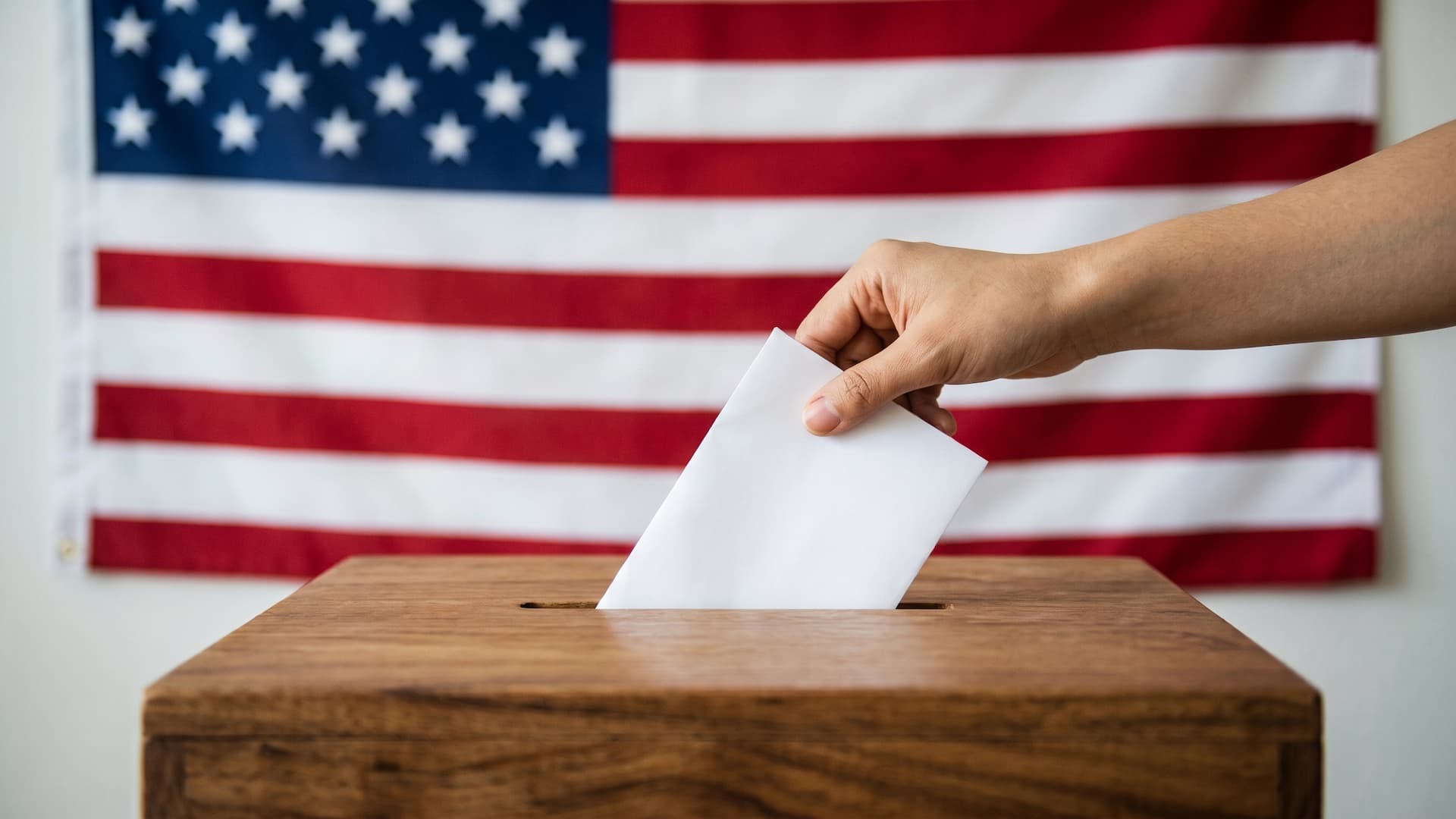
For voters filling in their ballots Tuesday, here’s a guide on what to know — and what to bring.
What Do I Need to Bring to Vote?
It depends on your state. According to the National Conference of State Legislatures, 36 states ask for some form of identification at the polls, and the other 14 states and the District of Columbia use other methods to verify voters’ identities.
Eight states made ID rules more stringent in 2026, according to the Voting Rights Lab. Florida and New Hampshire, for example, no longer accept student IDs.
A valid driver’s license is the safest bet.
If you do not have the right ID, many states let you cast a provisional ballot.
In states with strict ID laws, a voter without identification generally must cast a provisional ballot and return with ID within days for it to count, according to the NCSL.
Deadlines and exceptions vary by state.
Check your state or local election office before you head out.
Where Are Polling Places Near Me?
Polling places are assigned by address and in some states you can vote only at your assigned location on Election Day. Look yours up through your state or county election office, or through vote.gov, which links to each state’s lookup tool. Hours vary by state and locality.
What’s on my ballot?
Every House seat is up, and about a third of the Senate.
Local contests, state measures and judicial races vary by address. Your state or county election site, or a sample-ballot tool such as Ballotpedia’s, will show your exact ballot.
Six states have voter ID measures on today’s ballots, according to Ballotpedia. Oklahoma voters approved one in August.
Can I Still Register to Vote?
In most states, the deadline has passed.
About two dozen states and the District offer same-day registration, but in some of them it was available only during early voting, which has ended.
Wisconsin and Minnesota allow registration at the polls Tuesday, and Washington state allows it in person until 8 p.m.
California offers same-day, or conditional, registration at county elections offices and voting locations. Those ballots are counted once the registration is verified.
In the remaining states, registration deadlines have passed.
North Dakota does not require voters to register.
In Nebraska, one exception applies: A person who became a naturalized citizen after registration closed can register and vote today. That person must do so by 8 p.m. Eastern Time, one hour before polls close, according to the Nebraska secretary of state.
Voters should check their state’s rules.
When Do Polls Close?
The first polls close at 6 p.m. in the Eastern-time portions of Indiana and Kentucky.
Some eastern states, including Virginia, Georgia, South Carolina, Vermont and North Carolina, close at 7 or 7:30 p.m. ET.
Many Northeastern states close at 8 p.m. ET, and New York closes at 9 p.m. ET.
Polls on the West Coast close at 11 p.m. ET.
The last polls, in Alaska’s Aleutian Islands, close at 1 a.m. ET Wednesday.
Anyone in line when polls close can still vote, which applies nearly everywhere.
Because so many ballots were cast early and many states count mail-in ballots for days, final results may not be known Tuesday night.